

You slam on the gas pedal, gripping the wheel until your knuckles turn white. The engine roars behind you, and the wind whips past your helmet. You feel fast. You feel unstoppable. Yet, despite your aggression and bravery, another driver glides past you on the straightaway as if you put the kart in park. They didn’t have a better engine. They didn’t have lighter shoes. They had something much more powerful: geometry.
Speed in karting does not come solely from raw horsepower or bravery. Real speed comes from efficiency. The fastest way around a track is rarely the shortest distance; it is the path that allows you to maintain the highest possible momentum. We call this path the racing line. Mastering this invisible ribbon of asphalt separates the casual weekend rental drivers from the podium finishers. If you want to shave seconds off your lap times and leave your competition in the dust, you must learn to read the track. Here’s how to read a racing line like a karting pro.
The Physics of the Perfect Lap
A racing line represents the optimal path around a race course. To understand it, you must first respect the laws of physics. Karts hate turning. Every time you turn the steering wheel, you introduce friction and scrub off speed. The goal of the racing line is to straighten out the corners as much as possible. By increasing the radius of your turn, you can carry more speed through it without losing traction.
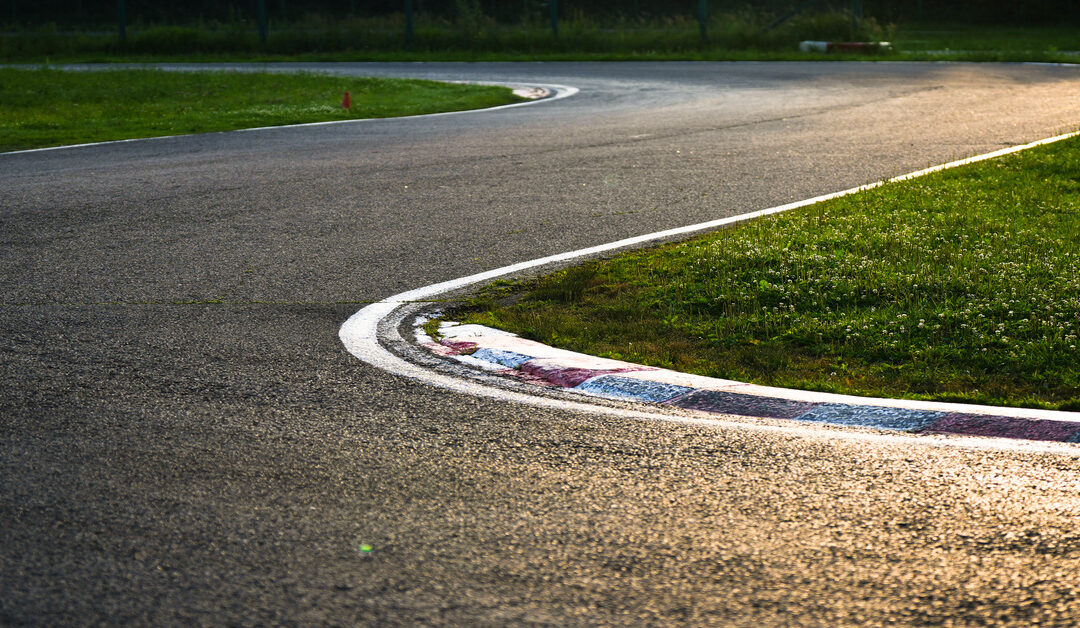
Three distinct points define every corner: the entry, the apex, and the exit. The entry point marks exactly where you begin turning the wheel. The apex, or clipping point, is the innermost part of the turn where your kart comes closest to the curb or barrier. Finally, the exit point is where you finish the turn and return the steering wheel to a straight position. Connecting these dots fluidly creates the arc that maintains your momentum.
Analyzing the Asphalt
Before you even strap on your helmet, you can gather massive amounts of data just by looking at the surface. The track tells a story if you know how to read the language of rubber and asphalt.
Walk the track if the marshals allow it, or observe the surface closely from the spectator area. You will look for the “groove.” Over time, karts deposit rubber into the asphalt pores on the ideal line. This deposit creates a darker, textured path that winds its way around the circuit. This dark ribbon offers significantly more grip than the “green” or dusty parts of the track. Staying on this rubbered-in surface helps your tires bite into the road, allowing for higher cornering speeds.
Look for visual markers that the track staff might have placed. Many circuits place cones to help novices find their way. A cone standing tall at the edge of the track usually indicates a braking zone or a turn-in point. A cone sitting on the inside of the corner marks the apex. While you should not rely on these markers forever, they serve as excellent training wheels while you develop your racing vision.
When you visit a competitive venue, such as a go-kart track in Houston, you will notice the layout demands precision. The surface changes, the camber shifts, and the grip levels vary from corner to corner. Observe where the fast drivers place their karts. Do they hug the inside rail, or do they swing wide? Do they attack the curbs, or do they avoid them to keep the chassis stable? Visualizing the path before you drive it builds a mental map that your brain can access at forty miles per hour.
The Art of Cornering
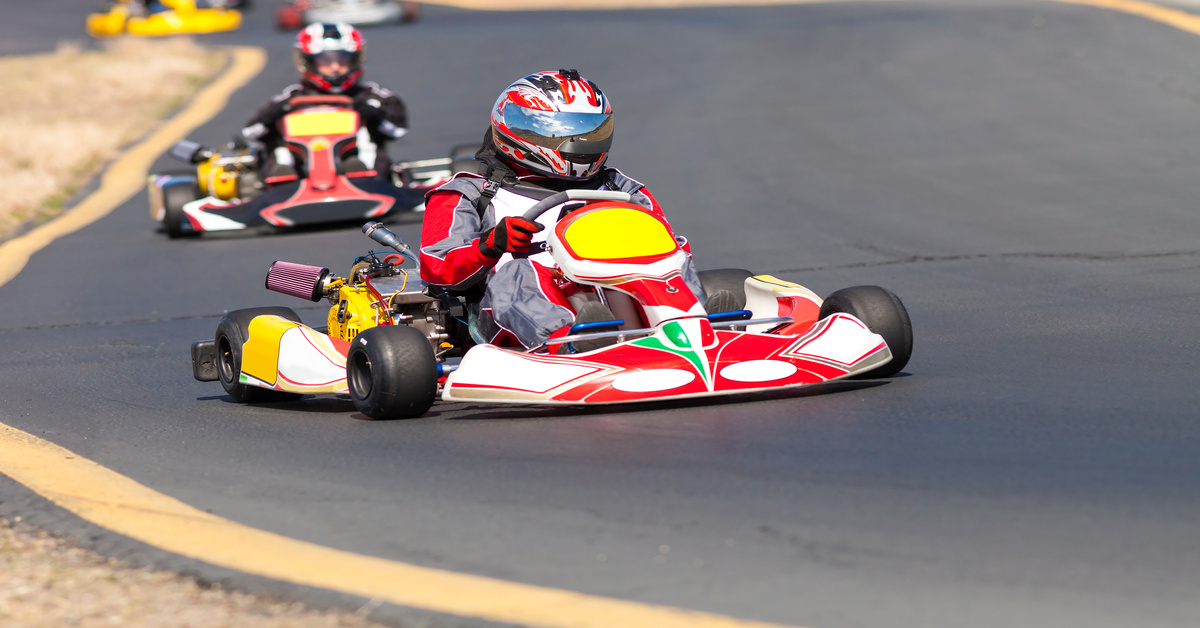
The default approach for most corners follows the “Outside-Inside-Outside” rule. You approach the corner on the far outside edge of the track. As you reach your turn-in point, you steer smoothly toward the inside of the corner, aiming to clip the apex. Once you hit that apex, you let the kart drift back out to the far outside edge of the track as you accelerate. This technique maximizes the radius of the turn, which minimizes the steering angle and maximizes speed.
However, not all corners behave the same way. You must adjust your line based on what follows the turn.
The Late Apex
For a corner that leads onto a long straightaway, exit speed is king. If you accelerate even one mile per hour faster onto a long straight, you carry that extra speed for the entire length of the straight. To achieve this, you use a “late apex” line. You brake a little deeper and turn in slightly later than usual. You clip the inside of the corner past the geometric center. This line squares off the corner, allowing you to straighten the wheel and stomp on the gas pedal much earlier.
The Early Apex
Sometimes, you might encounter a corner that tightens up or leads immediately into another turn. In these complex scenarios, an early apex might work best. You turn in early to hug the inside. This turn sacrifices your exit speed, but it sets you up perfectly for the next twist in the track. You sacrifice speed in the first corner to gain a massive advantage in the second.
Advanced Techniques for Speed
Once you grasp the geometric basics, you can start applying advanced techniques to manipulate the kart’s behavior. The racing line is not a rigid rail; it is a fluid concept that changes based on conditions.
Trail braking separates the good drivers from the greats. Most beginners do all their braking in a straight line before they turn. Trail braking involves keeping your foot lightly on the brake pedal as you begin to turn into the corner. This technique shifts the kart’s weight forward, compressing the front tires. The extra weight gives the front tires more grip, helping the kart rotate sharply toward the apex. As you approach the apex, you slowly release the brake and transition to the throttle.
You must also learn to adapt your line mid-race. If you are racing wheel-to-wheel, the optimal line might not be available. A defensive line involves placing your kart on the inside of the track to prevent an opponent from passing. This line is slower because it creates a tighter radius, but it forces the driver behind you to take an even slower path.
Practice and Experimentation
Theory only gets you so far. To truly internalize these concepts, you need seat time. You must feel the G-forces and hear the tires protesting. Treat every session as a science experiment.
Pick one corner and try different approaches. Try turning in five feet earlier. Try braking ten feet later. Listen to the engine. If the engine bogs down on the exit, you likely turned in too early and scrubbed off too much speed. If you run out of track on the exit and have to lift off the gas, you likely turned in too early or carried too much speed.
The stopwatch never lies. Use a lap timer or ask a friend to time you. Connect your feelings behind the wheel with the raw data. You will often find that the lap that feels slow and smooth is actually your fastest. This feeling happens because smooth inputs upset the chassis less, maintaining that precious momentum we discussed earlier.
The Finish Line
Reading a racing line transforms the track from a chaotic blur into a logical puzzle. By expanding your vision, analyzing the surface, and understanding the geometry of speed, you unlock the ability to drive faster with less effort. It is not about forcing the kart to do your bidding; it is about finding the flow that the track offers you.
Next time you head to the track, ignore the urge just to mash the gas. Look at the rubber. Plan your arc. Hit your marks. You will find yourself carrying speed you never thought possible, and that driver who used to pass you will become a distant speck in your rear-view mirror. Get out there, find your line, and chase that perfect lap!