

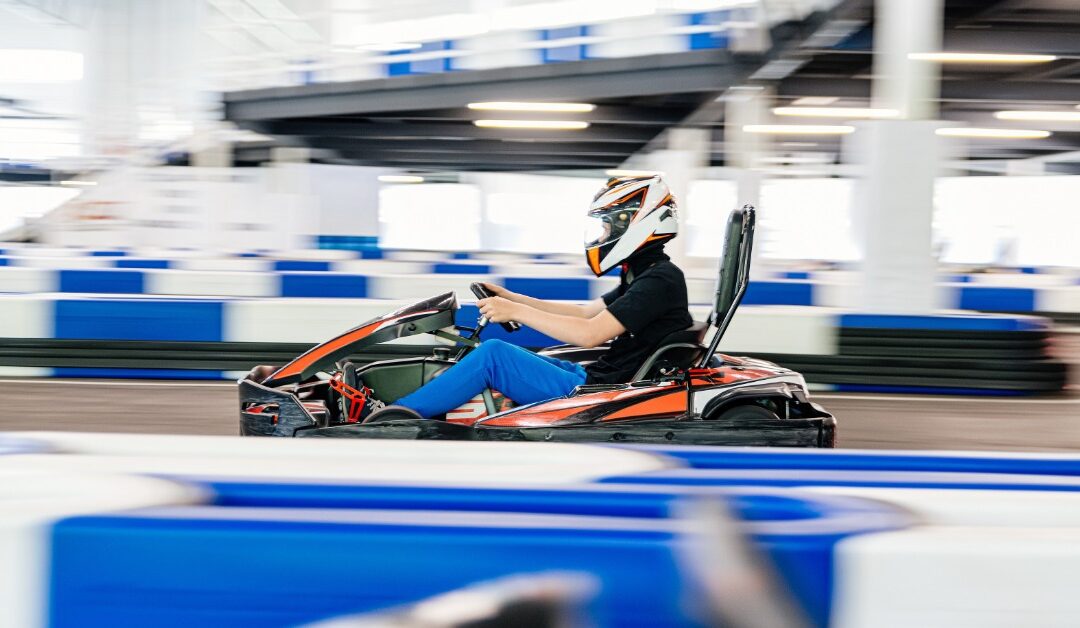
Speed grabs attention fast. The second a kart launches from the pit lane, most people want to know one thing. How fast does it go? That question makes sense, but on a pro-grade track, speed means more than a big number on a spec sheet. Real performance comes from control, consistency, track design, and how a driver handles every section of the course.
Many newcomers assume that faster always means better. On a professional-style track, that mindset can lead to careless driving in a hurry. The best laps don’t come from charging into every turn at full throttle. They come from reading the track, respecting the layout, and knowing where speed helps and where it hurts. Once drivers understand how speed limits work on pro-grade tracks, the whole racing experience starts to make more sense.
What Speed Limits Really Mean
When people hear the term speed limit, they often picture a posted number and a rulebook. On a pro-grade kart track, the concept works a little differently. Speed limits can come from the kart itself, the section of the track, safety procedures, and the overall racing format. The goal isn’t to make the experience feel slow. The goal is to keep the racing fast, clean, and manageable.
Karts can reach impressive speeds, but operators don’t just turn everything loose. They match kart performance to the track layout and drivers’ skill levels. That balance creates a better experience for everyone, especially on a course designed for high-performance driving. A track with long straights, tight corners, and technical transitions demands discipline. Without it, raw speed becomes a liability.
Drivers also need to understand that speed can feel different depending on where they sit in the kart. A corner that seems easy from outside the barrier feels much faster from a few inches off the ground. That low position changes how the body perceives motion. Even moderate speed feels intense, adding to the thrill.
Why Pro-Grade Tracks Need Control
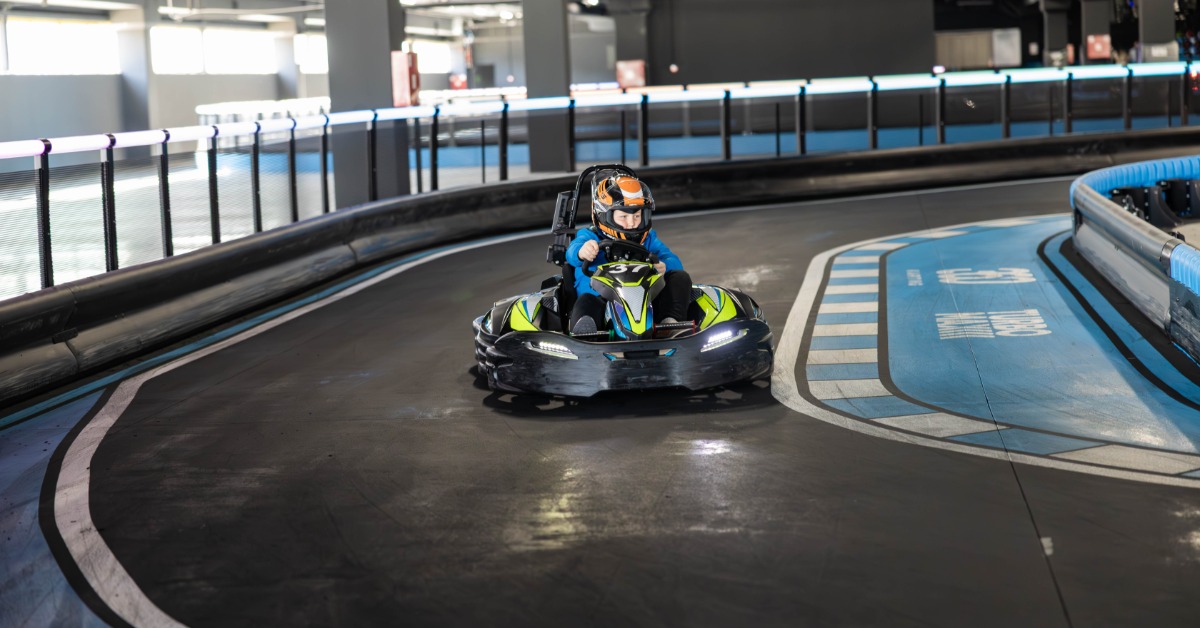
A professional-style track gives drivers more room to open up, but it also demands more of them. Wider turns, longer racing lines, and more technical sequences create opportunities to build speed, but they also punish mistakes more quickly. That’s why control matters so much.
Track operators don’t focus only on top speed. They consider braking zones, corner exits, visibility, and traffic flow. One kart entering a turn too hot can disrupt an entire section of the track. Good speed management keeps the racing smooth and gives drivers the chance to push where it makes sense.
That’s part of what makes the experience so exciting. Drivers don’t just mash the pedal and hope for the best. They learn how to set up a pass, hold a line, and carry momentum. Those moments feel rewarding because they come from skill, not chaos. On a serious track, speed becomes something drivers work with, not something they chase blindly.
The Track Layout Sets the Pace
Every track tells drivers where speed belongs. Long straights invite acceleration. Hairpins demand patience. Sweepers reward rhythm. Chicanes punish late reactions. The layout shapes the lap more than most first-time drivers anticipate.
A pro-grade track doesn’t offer a constant pace. It creates a pattern of acceleration, braking, turn-in, and exit control. Drivers who understand that pattern usually run better laps than those who focus only on going flat out. Fast racing depends on timing.
That’s one reason people love returning to the same track. Every session teaches something new. A driver might realize a particular corner works better with a later apex. Another section might reward smoother throttle input. Those small discoveries help drivers unlock speed in the right places.
At Speedsportz Racing Park, that kind of progression matters because the audience ranges from enthusiasts to families, event groups, and corporate outings. The experience needs to feel accessible yet challenging enough to keep people engaged. That balance gives newcomers a real taste of racing without making the track feel intimidating.
Fast Doesn’t Mean Reckless
The best drivers look calm. That surprises many people. You might expect the fastest racer to look wild behind the wheel, but strong drivers usually stay smooth and deliberate. They brake with purpose, turn with confidence, and get back to power at the right time. They don’t waste motion.
Reckless driving kills momentum. It’s scrubbing speed in corners, throws off lines, and creates unstable exits. A driver who enters too aggressively often has to wait longer to accelerate out. That mistake adds up over a full lap. Someone with a cleaner approach usually wins that exchange.
This idea matters for recreational racers. People searching for go-kart rentals in Houston often want a fun rush, but the most memorable runs come from feeling the kart respond the right way through every section. A clean lap feels faster because it flows. Drivers leave the track talking about corners they nailed, passes they timed, and laps that came together.
Safety Makes Better Racing
Some people hear safety rules and assume they’ll lose the fun. The opposite is often true. Smart safety standards make racing better by creating trust. Drivers can push harder when they know the environment supports controlled competition.
That includes track marshaling, spacing, kart maintenance, and driver expectations. It also includes age and participation standards. At Speedsportz Racing Park, drivers must be 14 or older, which helps align the experience with the demands of the track and the speed of the karts.
Safety also protects the flow of a session. When everyone follows the rules, the track stays cleaner and more competitive. Drivers can focus on lap quality rather than reacting to avoidable mistakes. That leads to greater confidence and more fun.
People often enjoy racing more when they understand its underlying structure. Rules don’t reduce the excitement. They sharpen it. They let drivers explore performance in a setting built for it.
Why Beginners Still Belong on Serious Tracks
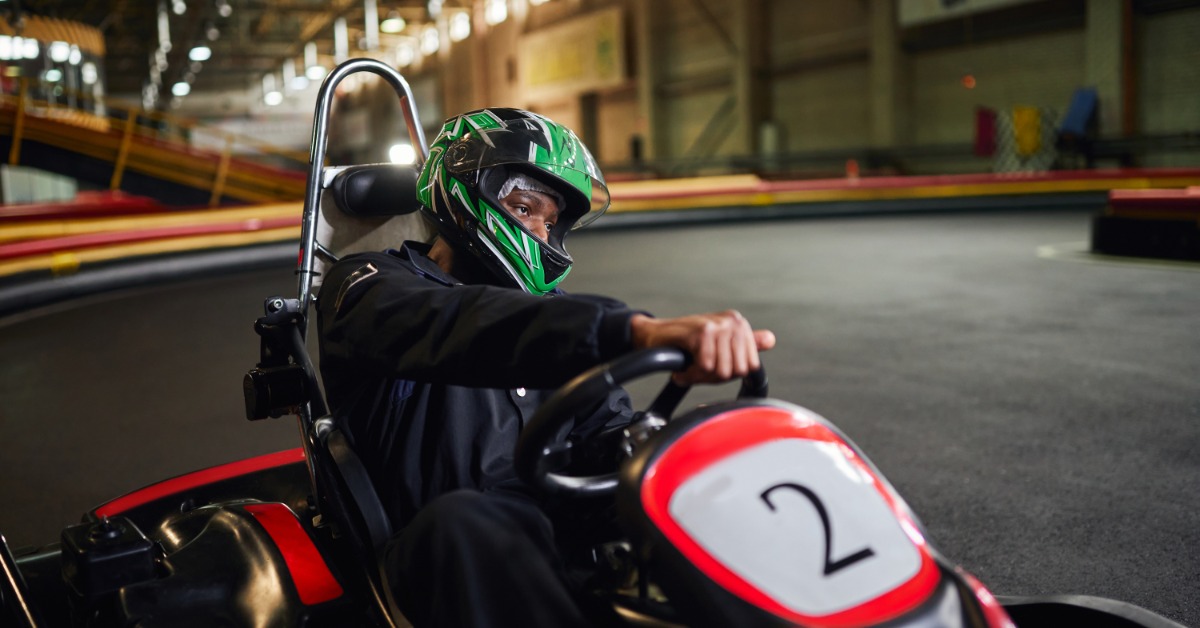
A pro-grade track can sound intimidating, but beginners can still have an amazing time there. In many ways, a well-run professional-style facility helps new drivers learn faster because the track provides clear feedback. They can feel when they braked too late, turned too early, or applied power too soon. That kind of learning makes every lap more engaging.
Beginner-friendly doesn’t mean watered down. It means the experience welcomes new drivers while still showing them what real racing feels like. A good facility explains the basics simply, keeps the atmosphere upbeat, and gives people room to improve.
New drivers also benefit from watching others. They begin to notice braking points, body position, and how experienced racers set up corners. That observation builds confidence. After a few sessions, the track starts to feel less mysterious and more inviting.
The Real Thrill of Speed
The biggest surprise for many drivers comes at the end of the session. They stop thinking about top speed and focus on lap quality. They remember the corner they finally linked together. They remember the straight where they carried more exit speed. They remember the moment the kart felt planted and quick at the same time.
That’s the real thrill of speed on a pro-grade track. It isn’t just about how fast the kart can go. It’s about how well a driver can use that speed. Control, timing, and confidence turn a fun ride into a real racing experience.
When people understand speed limits on pro-grade tracks in that context, they stop seeing them as restrictions. They start seeing them as part of what makes the track exciting. Structure creates better racing. Better racing creates better memories. And better memories keep people coming back for one more shot at a cleaner, faster lap.