

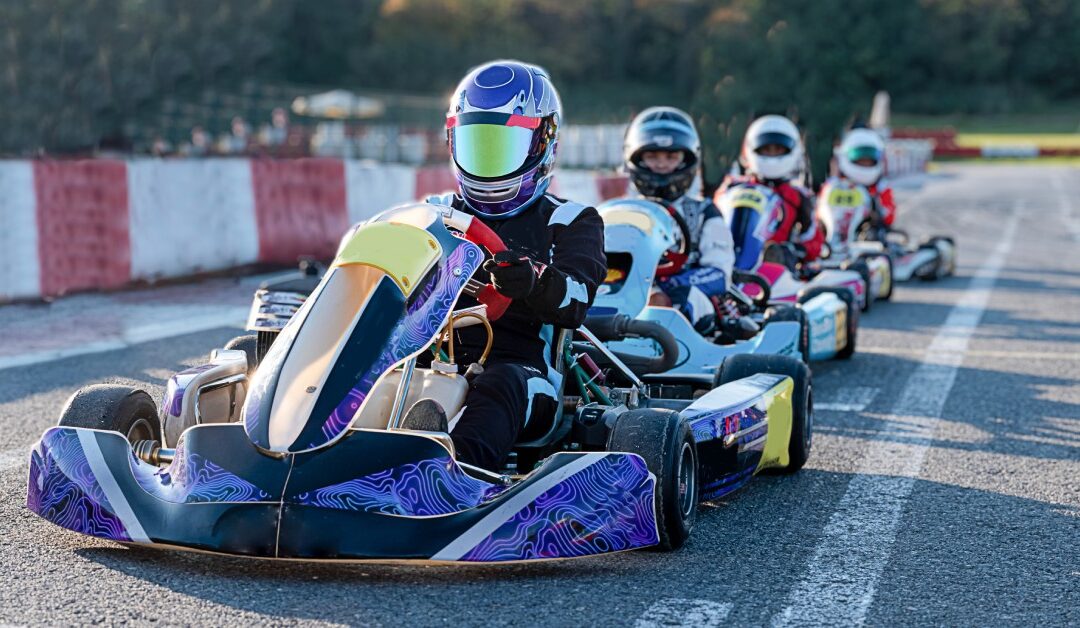
Your first karting session should feel like a rush, not a puzzle. You show up buzzing with excitement, pull on a helmet, and climb into a machine that looks simple but responds like a living thing. The first few laps often decide how much fun you have, because early mistakes can snowball into shaky confidence, sloppy lines, and a sore neck from overthinking every corner.
Karting rewards calm focus and small, smart adjustments. You don’t need a racing background to have a great run. You just need to avoid the traps that catch almost everyone once. Let’s talk through the top mistakes to avoid in your first karting session.
Skipping the Track Briefing
First-timers sometimes treat the driver briefing like background noise. They nod, smile, and mentally drift toward the track. That habit causes most first-session headaches. The briefing gives you the language of the facility: what the flags mean, how staff communicate, and what behavior earns a warning.
Listen like you plan to use every detail within the next ten minutes, because you will. Learn the difference between a caution and a stop. Pay attention to pit entry and exit rules. Ask a question if you miss something. A quick clarification beats a long lecture after a preventable mistake.
Dressing Like It’s a Casual Errand
Karting looks casual from the outside, so new drivers often show up in clothing that works against them. Loose sleeves snag on hardware. Long scarves and dangling accessories become hazards. Slick-soled shoes slide on pedals at the worst moment.
Wear snug, comfortable clothes that let you move without bunching. Pick closed-toe shoes with a flat sole and solid grip. Tie back long hair. Keep jewelry at home. You will feel more in control the moment you sit down, and control sets the tone for the whole session.
Gripping the Wheel Too Hard
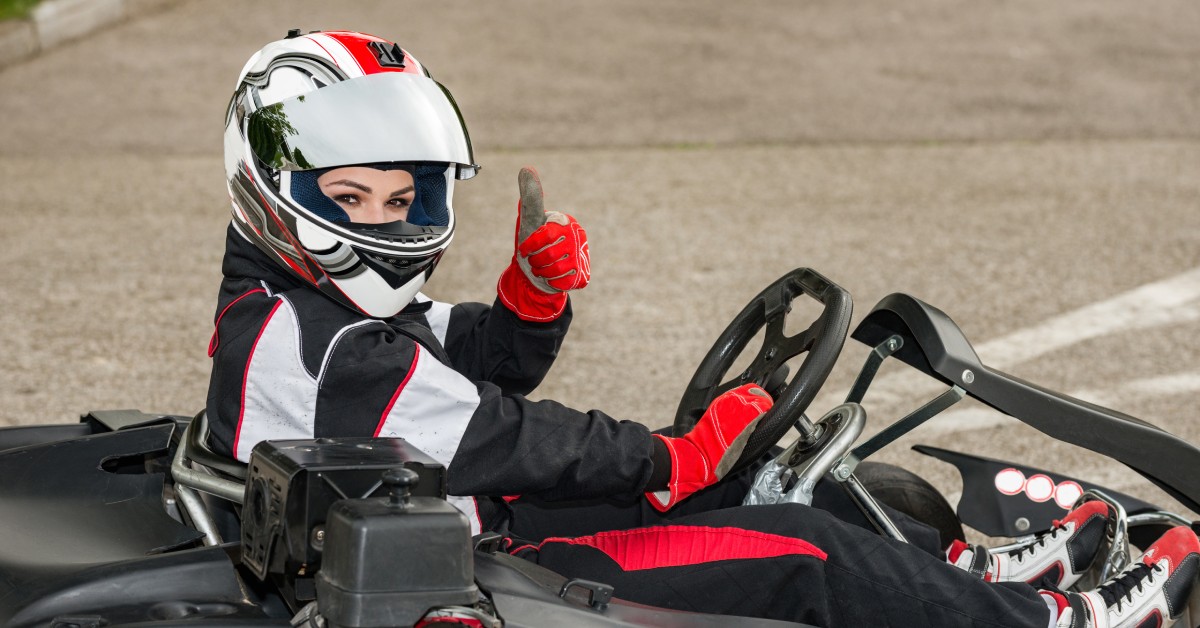
A death grip on the steering wheel turns every bump into a wrestling match. Your forearms burn, your shoulders tighten, and your steering becomes jerky. Karts respond quickly, so tension multiplies small inputs into big swings.
Hold the wheel firmly, not fiercely. Keep your hands steady and your elbows slightly bent. Let the kart communicate through subtle feedback instead of fighting every vibration. When you relax your grip, your lines get cleaner, and your laps get faster without extra effort.
Slamming the Throttle Too Early
New drivers often mash the gas the instant they point toward a straight. That move feels bold, but it usually costs speed. Early throttle while you still turn the wheel makes the kart push wide, scrubs momentum, and forces you into a longer path. You end up slowing more later, which cancels the thrill you chased.
Apply throttle with patience. Aim the kart where you want it to go, then roll on power as you unwind the steering. The kart will feel planted, and the straight will arrive sooner than you expect.
Braking Too Late and Too Long
Late braking sounds heroic until you miss the corner, slide past the ideal line, and spend the next three turns recovering. Many first-timers also keep braking deep into the corner, which loads the front tires and unsettles the kart.
Brake in a straight line when possible. Do it firmly, then release as you turn. The release matters as much as the brake itself. When you let the kart rotate smoothly, you carry speed through the corner instead of dragging it into the next mistake.
Turning in Too Early
Early turn-in ranks as the classic beginner error. You see the corner, you panic, and you steer toward the apex before the kart reaches the right position. The kart drifts wide at exit, and you run out of track exactly where you need it most.
Start by giving corners a little more patience. Drive a touch deeper, then turn with intention. Hit a later apex that opens the exit. That single adjustment makes the kart feel like it accelerates harder, because you can use more throttle earlier on the way out.
Looking at the Bumper in Front of You
Karting feels competitive, so your eyes lock onto the kart ahead like a magnet. That habit breaks your rhythm. You copy someone else’s mistakes, and you miss your own markers. You also lose awareness of what happens around you, which creates surprises in tight sections.
Look through the corner instead. Pick a point where you want the kart to go, then let your hands follow your eyes. Keep the kart ahead in your peripheral vision, not in the center of your focus. You will drive cleaner and feel calmer even when the track gets busy.
Ignoring Track Position Etiquette
First sessions bring a mix of skill levels. A faster driver might catch you quickly, and you might catch someone else. Etiquette keeps the session fun for everyone. Some newcomers block unintentionally by weaving or braking unpredictably. Others dive into a pass without space.
Hold a steady line when someone closes in. Predictability helps everyone. Give room when the staff directs you. If you decide to pass, choose a spot with clear space and commit with control. Clean passes feel great, and sloppy ones ruin sessions.
Fighting the Seat Fit
If you slide into the seat, you will struggle. Your hips shift, your shoulders twist, and your steering becomes inconsistent. You also fatigue faster because you brace against movement instead of driving.
Adjust the seat or add the available padding if the facility offers it. Tighten belts properly. Plant your back and shoulders against the seat. When your body stays stable, your inputs stay stable. You will feel the kart more clearly, and the track will feel less chaotic.
Treating Every Lap the Same
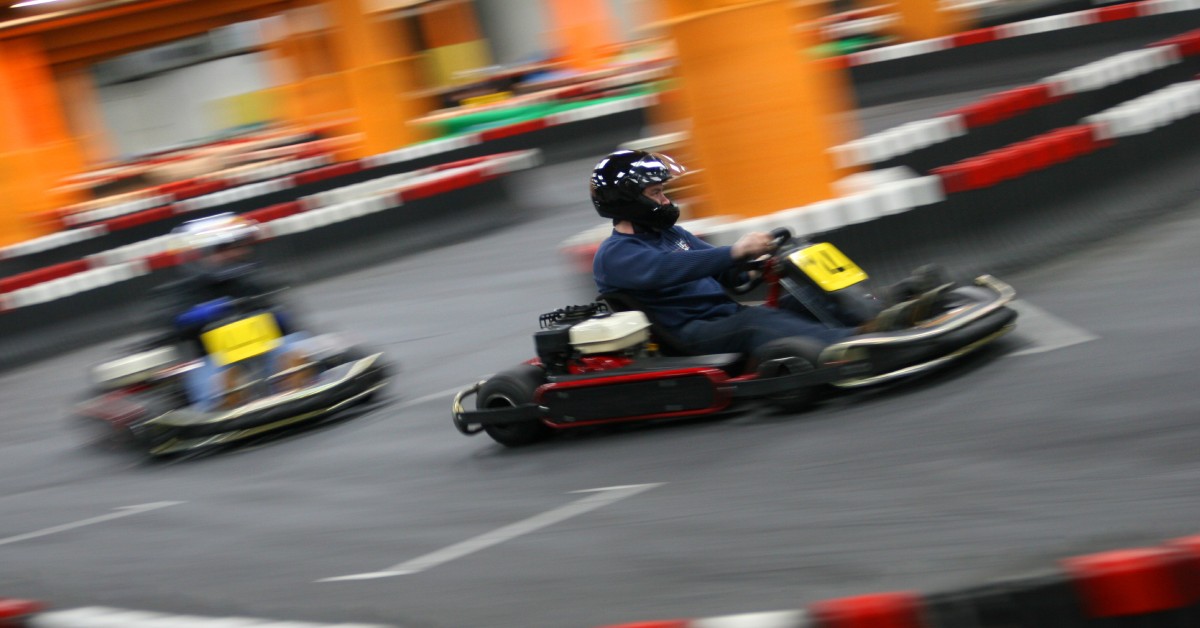
A first session tempts you into autopilot. You run the same line, repeat the same braking, and hope speed appears. Karting rewards observation. The track changes as rubber builds and traffic patterns shift. Your confidence changes, too, often faster than you notice.
Use the first two laps to learn. Use the next laps to refine one thing at a time. Maybe you focus on one corner’s braking point, then work on the exit throttle in the next. Small goals give you quick wins and keep your head clear.
Chasing Lap Time Instead of Smoothness
Some drivers hunt speed by forcing everything. They throw the kart into corners, stab the pedals, and expect the kart to comply. Karting punishes that approach. Smooth driving produces speed because it protects momentum. Momentum matters more than drama.
Aim for quiet hands and calm feet. When you drive smoothly, the kart tracks better, and your confidence rises. Lap time follows without you chasing it.
Skipping Hydration and Recovery
Karting works your body more than most people expect. Heat, adrenaline, and repeated cornering add up. New drivers often show up slightly dehydrated and then wonder why they feel foggy halfway through.
Drink water before you drive. Take a short break between sessions if you run multiple heats. Stretch your neck and shoulders afterward. You will feel better on your next visit, and you will keep the experience fun instead of exhausting.
Picking the Wrong First-Time Venue
Your first session shapes your entire opinion of the sport. A well-run facility explains rules clearly, keeps the track organized, and maintains equipment. That structure makes learning enjoyable and safe. If you want go-karting in Houston, look for a place that treats the experience like real racing, with clear staff communication and a track that rewards skill.
Speedsportz Racing Park in New Caney, just north of Houston, offers an outdoor racing environment where beginners can build confidence lap by lap. The staff focuses on track rules and driver flow, which helps first-timers settle in quickly and have a stronger experience.
Forgetting the Point
First karting sessions should feel playful. New drivers sometimes put pressure on themselves to impress friends or post a perfect clip. That pressure tightens your body and makes you miss the best part: the sensation of learning fast, in real time, with every lap.
Give yourself permission to improve gradually. Celebrate the moment you nail a clean corner. Laugh when you miss an apex and fix it on the next lap. Karting rewards repetition, and your second session always feels dramatically better than your first.
A Better First Session Starts With a Few Smart Choices
Most first-time go-karting mistakes come from rushing, tensing up, and trying to drive fast before you drive well. You can fix almost all of them with attention, patience, and a willingness to learn one corner at a time. Listen to the briefing, fit the seat, relax your grip, brake with intent, and look where you want to go.
When you do those things, the track starts to make sense. The kart stops feeling twitchy and starts feeling precise. You leave with that satisfying mix of adrenaline and confidence—and you’ll want to come back for another run.