

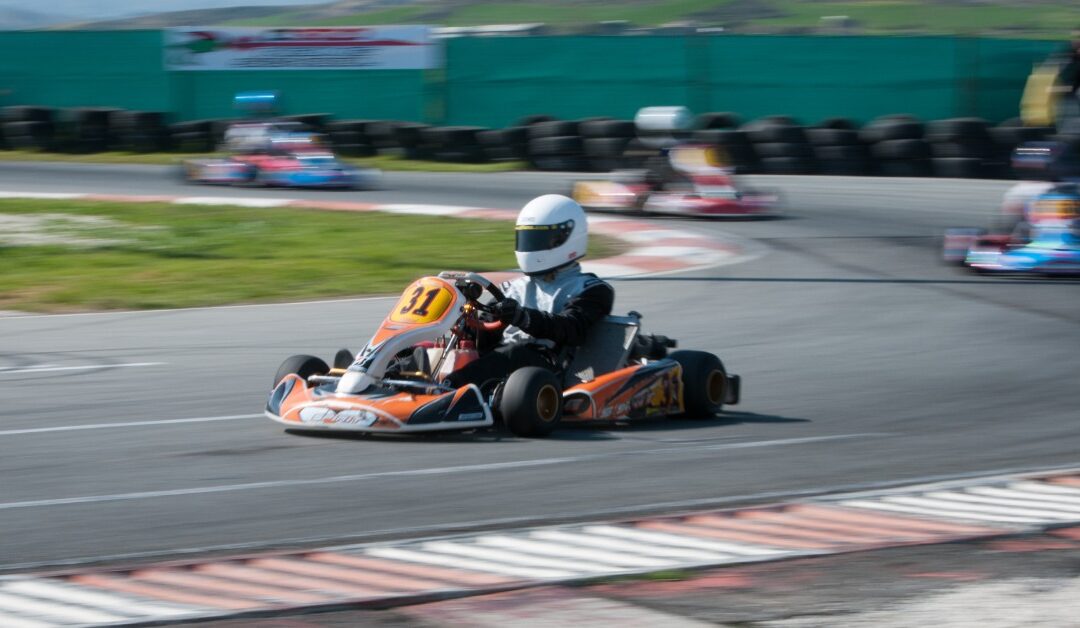
High-performance go-kart racing didn’t begin with huge engines, sleek aerodynamics, or large crowds. It started with simple, lightweight machines made purely for fun and quick competition. That straightforward idea sparked a passion that still draws people to the track today.
Early karts offered drivers a raw and exciting experience. They sat low to the ground, responded quickly, and made every straightaway feel like a rush. Drivers didn’t need a full-sized race car to experience speed; they just needed a machine that felt alive in every turn.
That early spirit still shapes the sport. People love go-kart racing because it feels immediate, competitive, and easy to understand. You climb in, grip the wheel, hit the gas, and learn fast.
Over time, that basic thrill pushed the sport forward. Builders, racers, and track operators kept refining the kart, and each change made the experience sharper, faster, and more demanding. Continue reading to discover the evolution of high-performance go-kart racing.
From Backyard Fun to Serious Racing
In its early years, karting provided hobbyists a way to race without the expense and complexity of bigger motorsports. Small groups would build karts, test parts, and race each other on makeshift courses. That hands-on approach helped the sport grow rapidly.
As more drivers joined in, kart design improved. Frames became stronger and more balanced. Tires improved grip. Engines delivered more reliable power. Racers no longer chased fun alone. They chased lap times, cleaner lines, and smarter setups.
That shift changed how people viewed karting. What was once seen as a casual hobby began gaining respect as a serious form of motorsport. Many drivers realized that karting required quick reflexes, good race awareness, and discipline.
That reputation still matters. Karting teaches people how to read a track, manage speed, and make split-second decisions. It provides beginners with a way into racing and offers experienced drivers a place to hone their skills.
Better Engineering Changed Everything
Advancements in technology propelled high-performance karting into a new era. Builders started focusing on weight distribution, chassis flex, braking response, and cornering grip. These changes made karts faster and more precise.
A strong kart doesn’t depend on brute strength alone. It functions because each component supports the driver. The frame must be balanced. The tires need grip. The steering should feel quick without feeling twitchy. When all those parts work together, the kart feels smooth and aggressive at the same time.
Engines also evolved. Racers wanted more speed, but they also sought smoother acceleration and reliable performance. Better tuning and higher-quality components gave drivers more control over how the kart delivered power. That made close racing more exciting and skill-based.
Braking systems also made a big leap. Stronger, more responsive brakes allowed drivers to approach corners with greater confidence. Late braking became a powerful tactic. Drivers could stay on the throttle longer, dive deeper into turns, and fight harder for position.
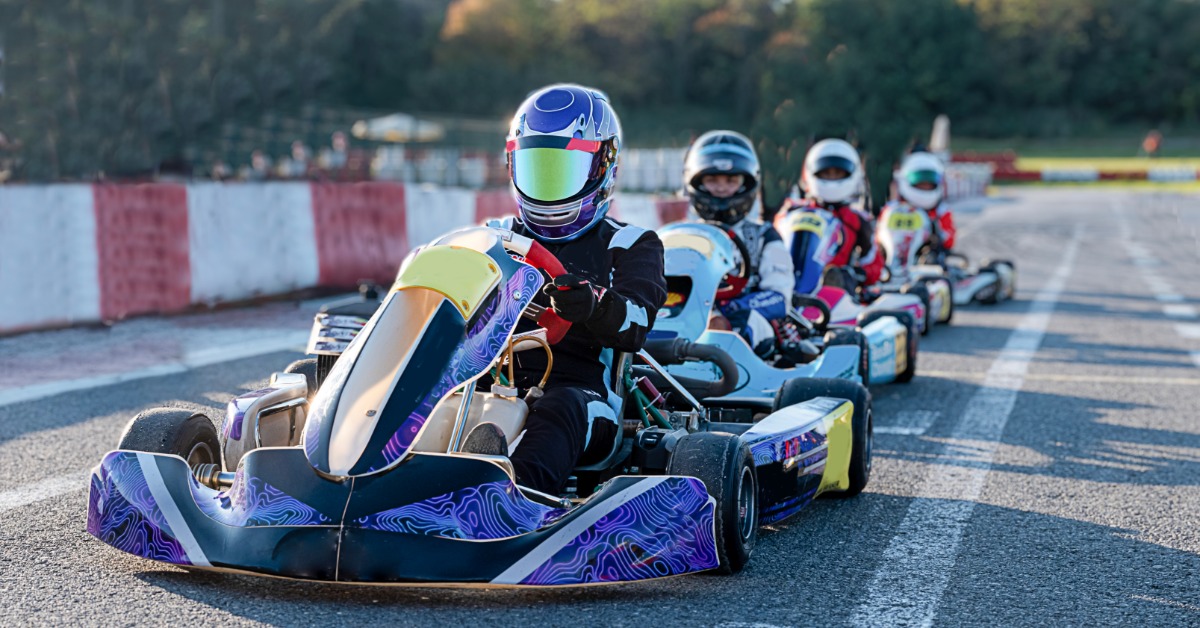
Tracks Grew With the Sport
As kart performance improved, tracks had to evolve as well. A simple loop no longer challenged modern karts like earlier layouts did. Designers started creating tracks with technical corners, faster sections, and varied rhythms.
That change was important because the track influences the entire experience. A tough course challenges judgment as much as bravery. Drivers need to know when to stay patient, when to push, and when to protect their momentum. Every lap becomes a puzzle at high speed.
Modern tracks also raised the quality of racing for everyday visitors. People don’t need years of experience to appreciate a layout that feels fast, flowing, and competitive. Good design pulls drivers into the action and keeps them engaged from the first lap to the last.
That’s part of what makes a visit to a go-kart track in New Caney so memorable. The environment combines speed, challenge, and excitement in a way that speaks to first-time drivers and seasoned racing fans alike. Speedsportz Racing Park builds that kind of experience around the thrill of real karting fun.
Safety Improved Without Slowing the Fun
As karting became faster and more refined, safety had to keep pace. That did not dull the experience. It made the sport stronger and more accessible.
Better barriers, improved protective gear, and higher operating standards allowed drivers to push harder with greater confidence. Tracks could accommodate a wider variety of guests while still maintaining the intensity that makes karting so thrilling. That balance contributed to the sport’s growth far beyond small racing circles.
Safety also changed how families and groups viewed karting. People realized that a well-managed facility could provide an exciting experience without feeling unsafe. This made karting more attractive to enthusiasts, families, parties, and corporate groups seeking something more active and memorable than a typical outing. Speedsportz Racing Park welcomes that wide audience while maintaining a fun, lively, and engaging atmosphere.
That high-performance appeal matters. Speedsportz Racing Park offers an experience geared toward drivers who want real speed and real excitement. The focus stays on competitive fun, sharp handling, and memorable laps that keep people coming back.
Racing Culture Took Off
High-performance karting did more than improve machines and tracks. It built a culture around speed, progression, and competition. People started following karting not just as a pastime, but as a passion.
Drivers love the challenge because improvement shows up fast. A cleaner corner, a smarter pass, or a better braking point can change a whole race. That constant feedback keeps people engaged and hungry for one more session.
Karting culture also thrives because it feels social. Friends compare lap times. Families cheer from the sidelines. Coworkers turn a race into a bragging-rights showdown. The competition feels real, but the atmosphere stays approachable.
That mix gives karting wide appeal. Some people come for a serious pace. Others come for shared excitement. Both groups leave with the same grin because high-performance karting delivers a strong sense of action from the moment the race begins.
Why Modern Drivers Love Performance Karts
Today’s drivers expect more than a slow cruise around a track. They want responsive handling, quick acceleration, and a layout that rewards good decisions. High-performance karting delivers all three.
Modern rental karting has benefited from decades of racing influence. Even people who race for fun can now experience machines that feel sharper, faster, and more dynamic than older karts. That makes each lap feel more immersive.
Drivers also love how honest karting feels. You cannot hide behind horsepower alone. You need timing, control, and confidence. If you overdrive a corner, you feel it right away. If you hit the right line, the kart rewards you right away.
That direct connection keeps karting fresh. Every race feels different because every driver attacks the course in a slightly different way. Even on the same track, there is always another tenth of a second to chase.
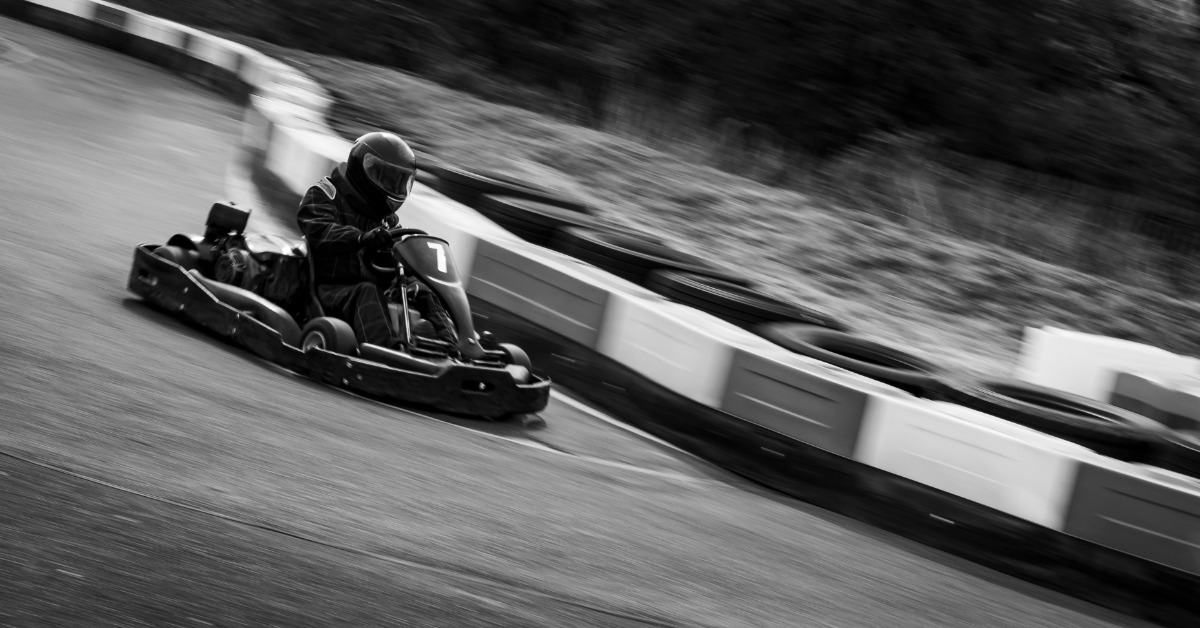
The Future Looks Fast
The evolution of high-performance go-kart racing is still moving forward. Better engineering, smarter track design, and stronger racing experiences continue to raise the bar. That matters for hardcore fans, but it also matters for everyday guests who want a taste of real speed.
The best part is that karting has never lost its core appeal. It still gives people an instant connection to competition and excitement. It still turns a few laps into a story worth retelling. It still makes people want one more race before they leave.
That lasting appeal explains why karting continues to grow as both a sport and an experience. It feels accessible, but it never feels dull. It welcomes beginners, but it keeps challenging skilled drivers.
High-performance go-kart racing has come a long way from its early days, yet the heart of it remains the same. Fast corners, close battles, and pure adrenaline still drive the whole experience. That is why people keep showing up, strapping in, and chasing the next great lap.